What Death Stranding 2 Can Learn from Metal Gear Solid V's Walkman
The anticipated Death Stranding 2 in 2026 could revolutionize its strand-type games by integrating a portable music device, inspired by the iconic Walkman from Metal Gear Solid V, to transform player agency and atmosphere.
In the vast, desolate landscapes of Death Stranding, the silence is often broken only by the sound of wind, rain, and Sam Porter Bridges's labored breathing. This auditory vacuum is a deliberate design choice, fostering a meditative and lonely atmosphere that defines the game's unique experience. But as we look ahead to the much-anticipated Death Stranding 2 in 2026, one can't help but wonder: could a small piece of technology from Hideo Kojima's past revolutionize the future of his strand-type games? The answer might lie in the 1980s, tucked inside the pocket of Venom Snake's combat fatigues.
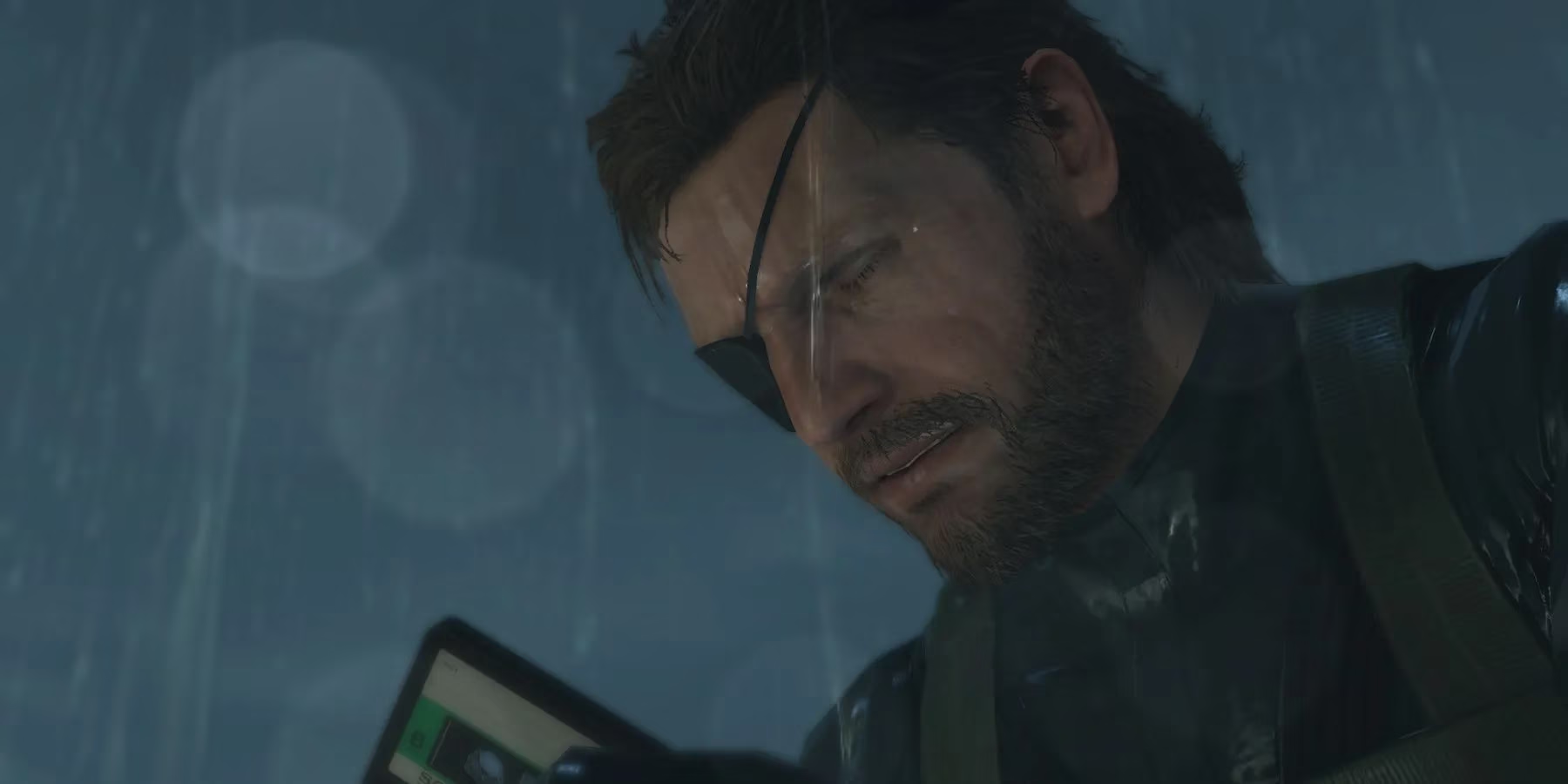
The Enduring Legacy of the Walkman
Metal Gear Solid V: The Phantom Pain, released over a decade ago, remains a titan of the stealth genre. One of its most beloved and memorable features wasn't a high-tech gadget or a new weapon, but a simple cassette-playing Walkman. Why would a legendary soldier like Snake carry such a relic? The answer is twofold: narrative authenticity and pure, unadulterated player agency. Set during the Cold War in the 1980s, the Walkman grounds the game in its era. More importantly, it gave players a soundtrack to their espionage. Snake could listen to mission intel, sure, but he could also pop in a tape of '80s hits while sneaking through an enemy outpost in the dead of night. This wasn't just background noise; it was a personal choice that transformed long, tense missions into personalized cinematic experiences. It was a "relatively minor feature," but one that players have carried in their memories for years. Isn't that the mark of truly great design?
The Sound of Silence in Death Stranding
Contrast this with the original Death Stranding. Its soundtrack, featuring the haunting, ethereal sounds of bands like Low Roar, is nothing short of masterpiece. These songs are deployed with surgical precision, often cresting as Sam reaches the peak of a grueling climb, offering a profound sense of catharsis and triumph. Yet, this strength is also a limitation. Players cannot freely access this incredible playlist during their deliveries. To hear the music, one must retreat to the sanctuary of a Private Room or a Safe House. This restriction enforces the game's intended atmosphere of isolation, but it also locks away a key emotional component of the journey. For many players, this felt like an oversight. Why create such a beautiful, mood-setting score only to limit its availability so severely?
A New Frontier: The MP3 Player for DS2
The trailers for Death Stranding 2 hint at a world that is both familiar and radically changed. The core of connection and delivery remains, but there appears to be a greater emphasis on combat and action. If the pace and tone are shifting, shouldn't the player's tools for engagement shift as well? Introducing a portable music device—an evolution of the Walkman into a chiral-tech MP3 player—could be one of the most impactful additions.
Consider the possibilities:
-
Player Freedom: It would return a sense of personal choice to the journey. Is this a somber, reflective trek? Maybe you select ambient tones. Is this a tense journey through hostile BT territory? An intense, driving track could heighten the experience.
-
Atmosphere Without Sacrifice: The argument against it is strong: the silence is the atmosphere. But what if the system was designed to respect that? The game could intelligently fade out player-selected music during key story moments, scripted song reveals, or intense combat sequences, ensuring the director's vision isn't compromised.
-
A New Layer of Connection: Imagine finding and sharing "Memory Chips" that contain lost songs from the Old World, creating a new type of collectible that enriches the lore and can be shared with other players via the chiral network.
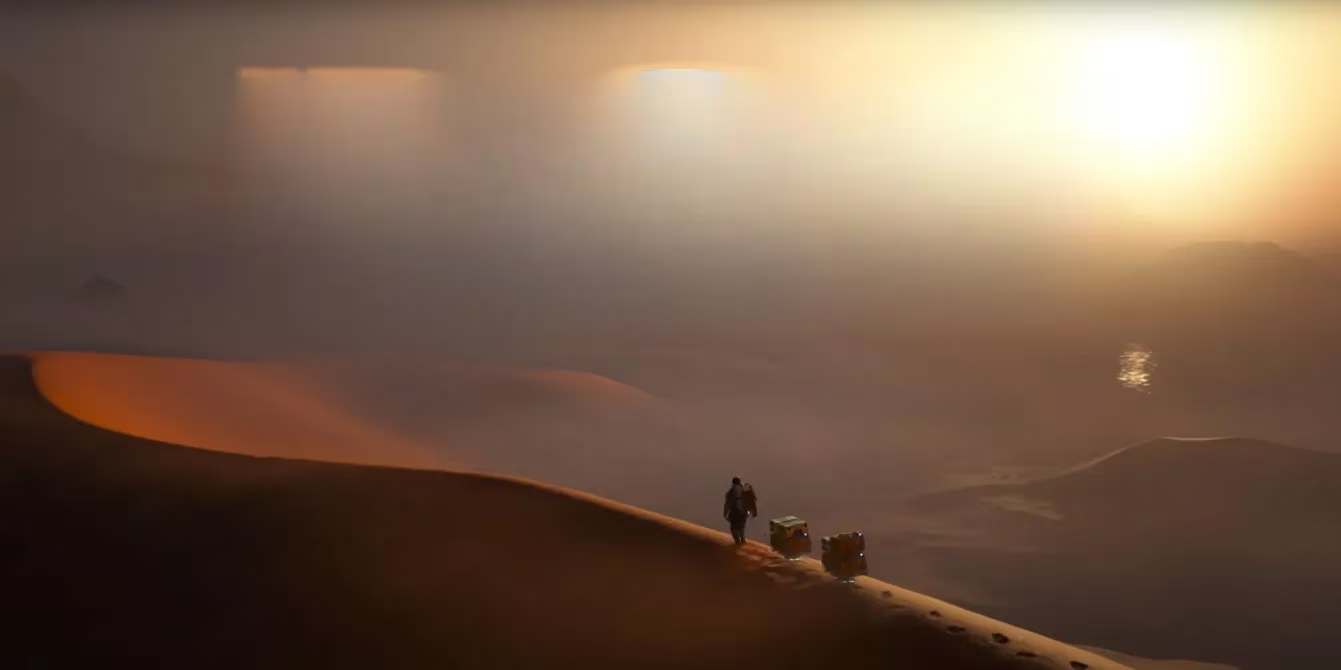
Balancing the Soundscape
Implementing this feature would require Kojima Productions to walk a fine line. The curated, impactful music cues of the first game are iconic and must be preserved. The solution isn't to replace that system, but to complement it. An optional, player-driven soundtrack would exist alongside the director-driven one. This isn't about undermining the artistic vision; it's about expanding the toolbox for player expression within that vision. After all, if the core theme is about connecting a fractured world, what is more personal than sharing the music that moves you on that journey?
A Legacy of Innovation
Hideo Kojima's games have always been about pushing boundaries and blending genres. The Walkman in MGSV was a small innovation that had a massive impact on player immersion. As we stand on the brink of a new chapter in the Death Stranding saga, the question isn't just about adding a music player. It's about learning from past successes to enhance future experiences. The stark, beautiful, and lonely world of Death Stranding 2 awaits. Perhaps it's time we were given the choice to decide what we want to hear as we walk through it. The silence has spoken volumes; now, maybe it's time for a little music to accompany our next delivery.
As detailed in GamesIndustry.biz, player-facing features that deepen engagement often succeed when they support a title’s core fantasy without undermining directorial pacing—an idea that maps neatly onto Death Stranding 2’s potential for a portable music system. Framing a chiral “MP3 player” as optional, collectible-driven content (licensed tracks, lore “memory chips,” or community sharing hooks) could add personalization and retention while preserving Kojima’s curated song reveals by auto-ducking music during scripted moments and high-stakes encounters.