Polarizing Games That Deserve a Second Look: From Cyberpunk Redemption to Stranding Simulators
Discover the most polarizing video games and divisive gaming experiences in 2026, from cult classics to ambitious RPGs. These debated titles offer unique, must-try adventures despite their flaws.
In the ever-evolving landscape of gaming, some titles become lightning rods for debate. Whether it's due to ambitious design choices, controversial narratives, or simply not living up to the sky-high hype, these games often find themselves at the center of heated discussions. It’s a real 'love it or hate it' situation. For the savvy gamer in 2026, the smart move is always to try before you buy, especially with those big-budget AAA titles. Thanks to modern subscription services, generous friends, and comprehensive demos, getting a taste of a potentially divisive experience has never been easier. Let’s dive into some of gaming's most debated titles that are still worth a shot.
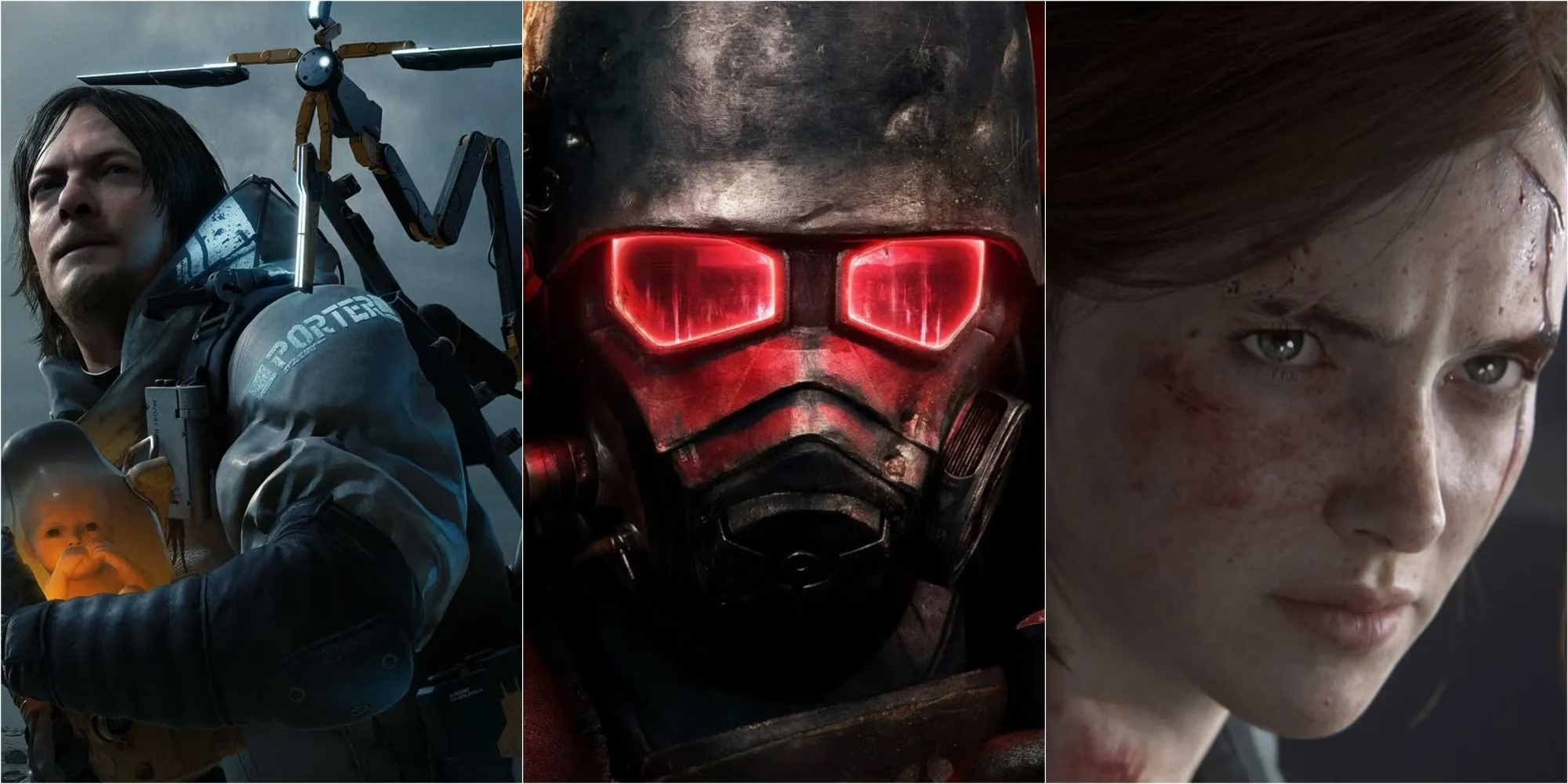
Fallout: New Vegas: The Cult Classic with Janky Charm
Talk about a game with serious staying power! Since its release in 2010, Fallout: New Vegas has developed a cult following that swears by its brilliance. For many, it's the undisputed king of role-playing games, offering an insane amount of player freedom and branching storylines that put modern RPGs to shame. The depth is off the charts.
However, let's keep it 100—the game shows its age. The classic Bethesda jankiness is in full effect, and the visual style, dominated by a rather drab brown palette, can be a tough pill to swallow for players used to today's graphical fidelity. It’s a bit of a rough around the edges experience. But if you can push past the occasional glitch and dated looks, the Mojave Wasteland offers an adventure that’s still incredibly addictive and rich with choice.
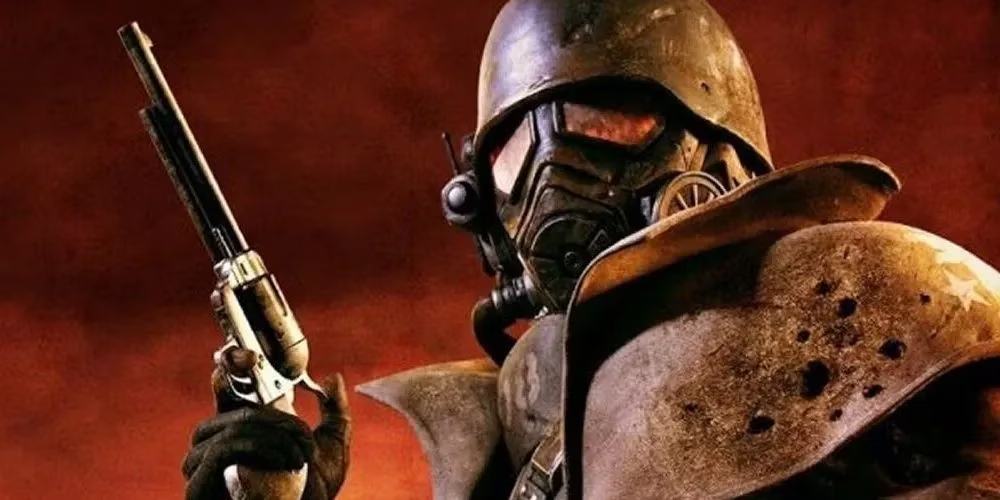
Red Dead Redemption 2: Immersion at a Snail's Pace
There's no denying that Red Dead Redemption 2 is a masterpiece of world-building. Rockstar created one of the most immersive virtual worlds period. But here's the kicker: that immersion comes with a cost. For some players, the extreme attention to detail—like slowly picking up items, meticulously storing weapons on your horse, or even maintaining Arthur's hygiene with a haircut—feels less like realism and more like a chore. It can seriously kill the vibe if you're just trying to get on with the story.
It truly boils down to personal taste. Do you savor the slow, methodical simulation of life in the Wild West, or do you find it tedious? The game's lengthy prologue is the perfect litmus test. It throws you headfirst into its deliberate pace, making it the ideal trial run before you commit to the full, epic journey.

Alpha Protocol: The Flawed Gem of Espionage RPGs
Alpha Protocol was, and still is, a wildly ambitious game. It promised a spy thriller where your choices genuinely mattered, blending third-person action with deep RPG mechanics. The dialogue trees and consequence system were, frankly, ahead of its time. A simple decision, like sparing or killing a hostage, could ripple through the entire narrative and alter how every character treated you.
But oh boy, was it buggy. Coupled with some questionable character models and clunky gameplay, it was easy to write off. Yet, beneath those technical issues lies a uniquely reactive espionage RPG that few games have matched since. If you click with its core, you're in for a wild, unpredictable ride.
Cyberpunk 2077: The Phoenix of Night City
What a rollercoaster this one has been! Cyberpunk 2077's launch in 2020 was, to put it mildly, a hot mess. Buggy, unstable, and missing promised features, it became a cautionary tale. Fast forward to 2026, and the game is virtually unrecognizable in the best way. Countless patches and the stellar Phantom Liberty expansion have transformed Night City into the vibrant, deep RPG it was meant to be.
| Then (2020) | Now (2026) |
|---|---|
| 🐛 Riddled with bugs | ✅ Largely stable & polished |
| 🏠 Limited player housing | 🏢 Ability to buy multiple apartments |
| 📖 Basic story | 📖 + Phantom Liberty's incredible narrative |
Given its rocky past, it's totally understandable if players are gun-shy. That's why trying the updated experience is a no-brainer. The game's redemption arc is one for the history books.

Battlefield 2042: Back from the Brink
Similar to Cyberpunk, Battlefield 2042 had a rocky start. Its massive-scale battles felt empty, and it strayed from the classic class system fans loved. But Dice didn't give up. Years of updates have brought it back from the brink. The class system is back, new maps and weapons have been added, and the Portal mode is now a fantastic sandbox for creativity.
The core debate remains: are the maps too vast and impersonal, or do they deliver an unparalleled sense of large-scale warfare? It's a slower, more tactical pace than older Battlefield titles, but for fans of the series, it's absolutely worth another look in its current, much-improved state.
Final Fantasy XVI: A New Combat Legacy
The release of Final Fantasy XVI sparked the eternal debate: what makes a Final Fantasy game? This entry took a bold leap, ditching the traditional turn-based or ATB combat for a full-on, character-action hack-and-slash system inspired by games like Devil May Cry. The spirit of the series—epic story, rich lore, memorable characters—is all there. But the gameplay felt like a genre shift.
Square Enix wisely released a lengthy demo, allowing players to test both the story and combat. It's the perfect way to see if this new, more action-oriented direction is your cup of tea or if you prefer the classics.
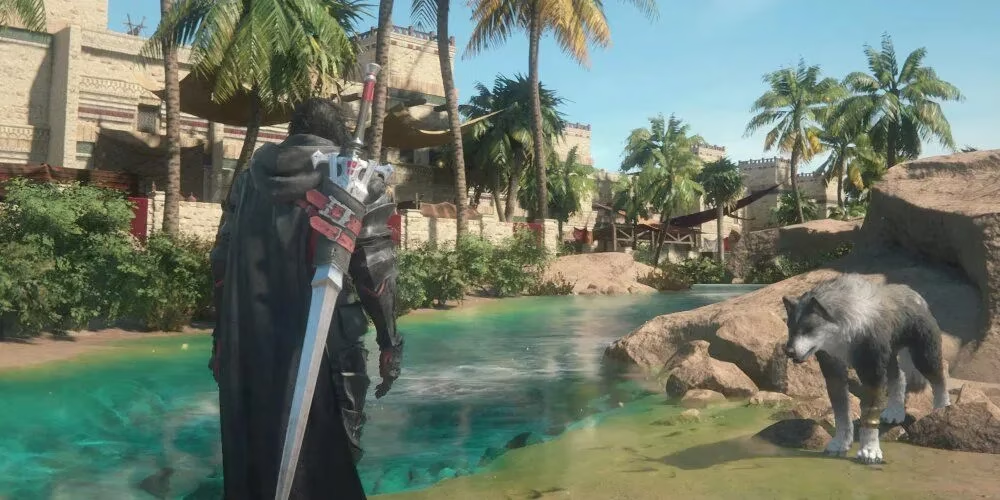
The Last of Us Part II: A Story That Divided a Fanbase
Few games have been as divisive as The Last of Us Part II. Narrative choices leaked before launch, and the fanbase split faster than you can say "clicker." Love it or loathe it, the game is a technical marvel with stunning graphics and brutally intense, improved combat. Time has been kind to it, with many players revisiting and appreciating its ambitious, if challenging, story.
With a 20+ hour runtime, it's a big commitment. Sampling the early hours is crucial to see if you're onboard for Ellie's dark and emotionally draining journey. It's not a game for everyone, but its craftsmanship is undeniable.
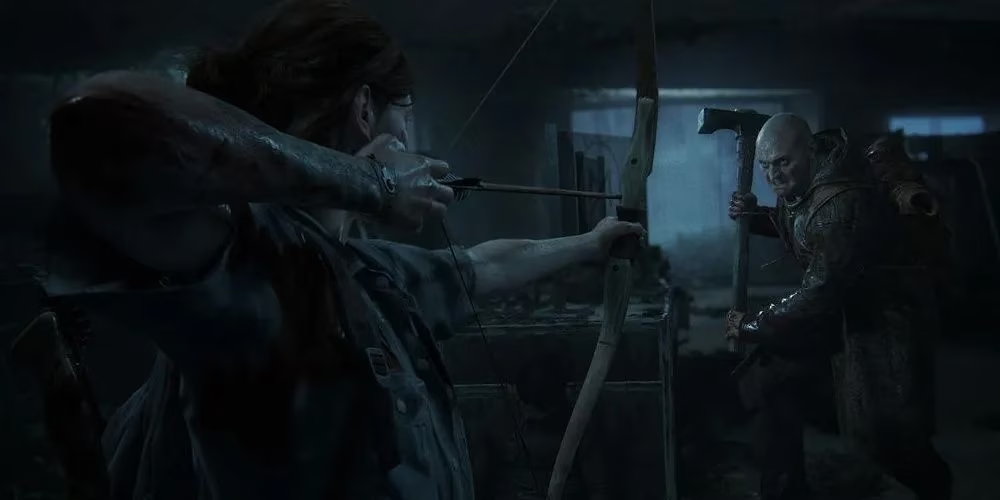
Death Stranding: The Ultimate 'Walking Simulator'
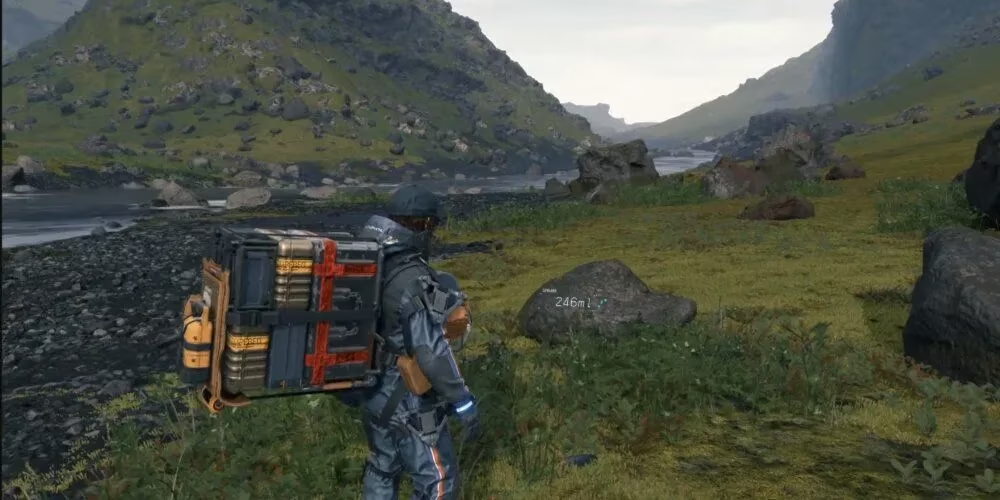
Hideo Kojima's Death Stranding is the poster child for polarizing games. Is it a meditative, revolutionary work of art about connection, or a glorified walking simulator? There's no in-between. You play as Sam Porter Bridges, essentially a post-apocalyptic delivery man, traversing a shattered America. Gameplay revolves around balancing cargo, planning routes, and occasionally sneaking past ghosts.
For some, it's a tedious slog. For others, the minimalist gameplay creates an unparalleled sense of atmosphere, solitude, and eventual camaraderie. The entire game follows this core loop, so playing the opening chapters tells you everything you need to know. It's a unique experience that demands to be tried firsthand to see which side of the great divide you land on.
The Bottom Line 🎮
In the end, gaming is subjective. What one player finds deep and immersive, another might find boring and tedious. The common thread with all these titles is that they dared to be different, to take risks. In 2026, with so many ways to try games risk-free, there's never been a better time to give these debated classics and comebacks a fair shot. You might just find your new favorite game hiding behind a controversial reputation. After all, one gamer's trash is another gamer's treasure. 😉