My Poetic Journey Through Death Stranding 2: Echoes of Isolation and Innovation
Discover the compelling, complex world of Death Stranding 2, praised for stunning graphics, innovative gameplay, and Kojima's visionary storytelling.
As I wander through the desolate, rain-soaked landscapes of Death Stranding 2: On the Beach, I feel a shiver down my spine—a connection to the void Kojima has painted with such haunting beauty. It's like stepping into a dream where every footstep echoes with the weight of humanity's fractured soul. I recall Hideo Kojima's words, whispered in interviews, that players already adore this sequel more than the first. Oh, the irony! In a world craving simplicity, he crafts complexity, and I'm here for the ride, baby. The previews? They were a blast, with media folks raving about how this game ain't just a rehash—it's a whole new beast, with combat that's slicker than a greased lightning bolt and graphics so real, you'd swear you could taste the rain. But deep down, I wonder: is this love affair fleeting, or will it stand the test of time? 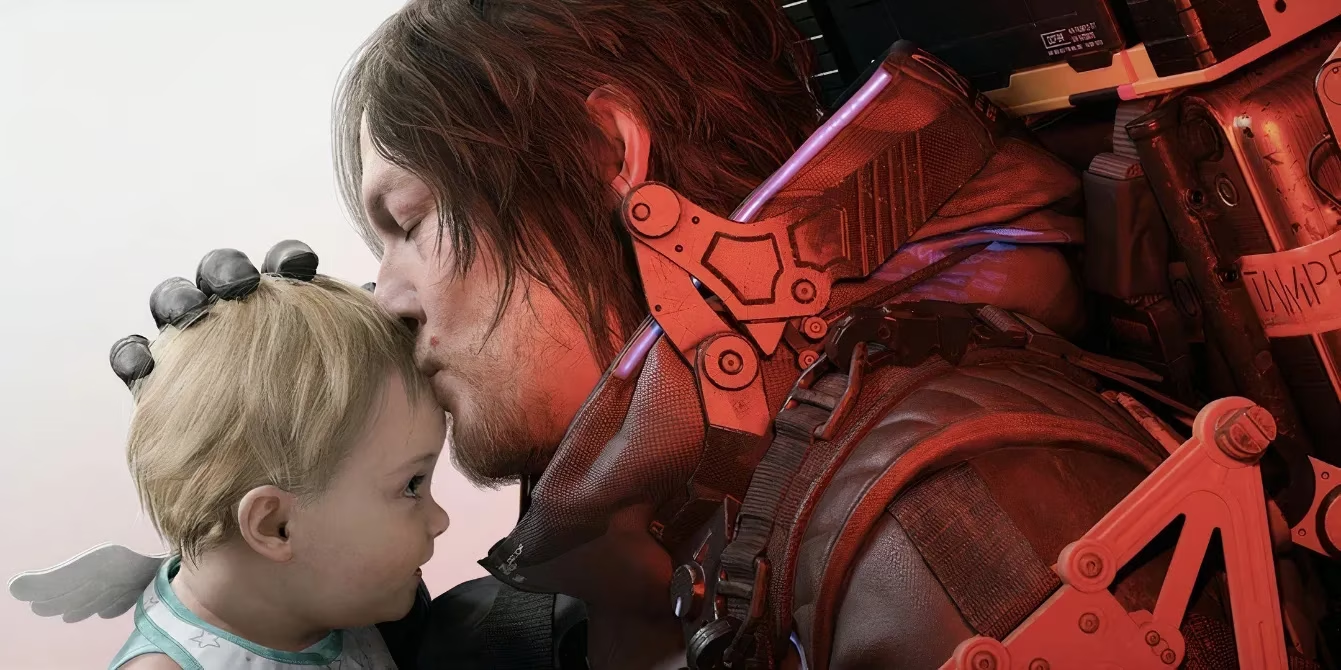
Kojima's Vision and the Early Buzz
Kojima-san, that mad genius, told Edge Magazine that internal testers are scoring Death Stranding 2 higher than the original—like, way higher. Sony's chuffed to bits with the reception, which is no surprise after those epic preview events. I mean, imagine playing dozens of hours and coming out grinning from ear to ear, praising the story, soundtrack, and production value. It's the bee's knees! But here's the kicker: Kojima wishes it was more divisive. He said, "I do listen to criticism, if the controls need tweaking or if a camera pan is too slow or too fast. But I don’t alter themes or story based on feedback." That's pure Kojima—always dancing to his own tune, even if it means ruffling feathers. For me, it's a reminder that art shouldn't pander; it should provoke. And boy, does this game provoke.
The Ghost of the First Game's Controversy
Ah, the original Death Stranding—it was a real head-scratcher for many. Some folks hailed it as a masterpiece, a unique blend of narrative and delivery mechanics that felt like poetry in motion. Others? They called it a "walking simulator," a slog that left them cold as ice. Kojima himself admitted he's not out to please everyone, saying, "I’m not interested in making something that appeals to everyone." That divisiveness? It's part of the charm, mate. I remember the debates raging online, like a storm over the chiral network. But in this sequel, the team has clearly taken those critiques to heart. They've re-evaluated everything, adding twists that make you go, "Wow, that's bonkers!" For instance, skipping boss battles? Only in a Kojima game would that feel normal. It's like he's saying, "Take it or leave it," and I'm all in.
What's New and Improved in the Sequel
So, what's cooking in Death Stranding 2? Hold onto your hats, 'cause it's a game-changer. The devs have dialed up the tactical flexibility in combat, thrown in new weapons, and introduced a monorail system that zips you across an unrecognizable America—and beyond. Animals for easier transport? Heck yeah! Plus, you can refund skill points now, which is a godsend for us indecisive types. And the length? Strap in, 'cause it's estimated at around 75 hours. That's a marathon, not a sprint! To break it down, here's a quick list of the key upgrades that make this sequel shine:
-
Combat Mechanics: More dynamic and strategic, with options that let you adapt on the fly.
-
Transportation: Animals and monorails reduce the grind, making traversal a breeze.
-
Story Depth: Expanded narrative threads that weave a richer tapestry of isolation and hope.
-
Gameplay Flexibility: Refundable skill points and skippable battles—talk about player freedom! 😊
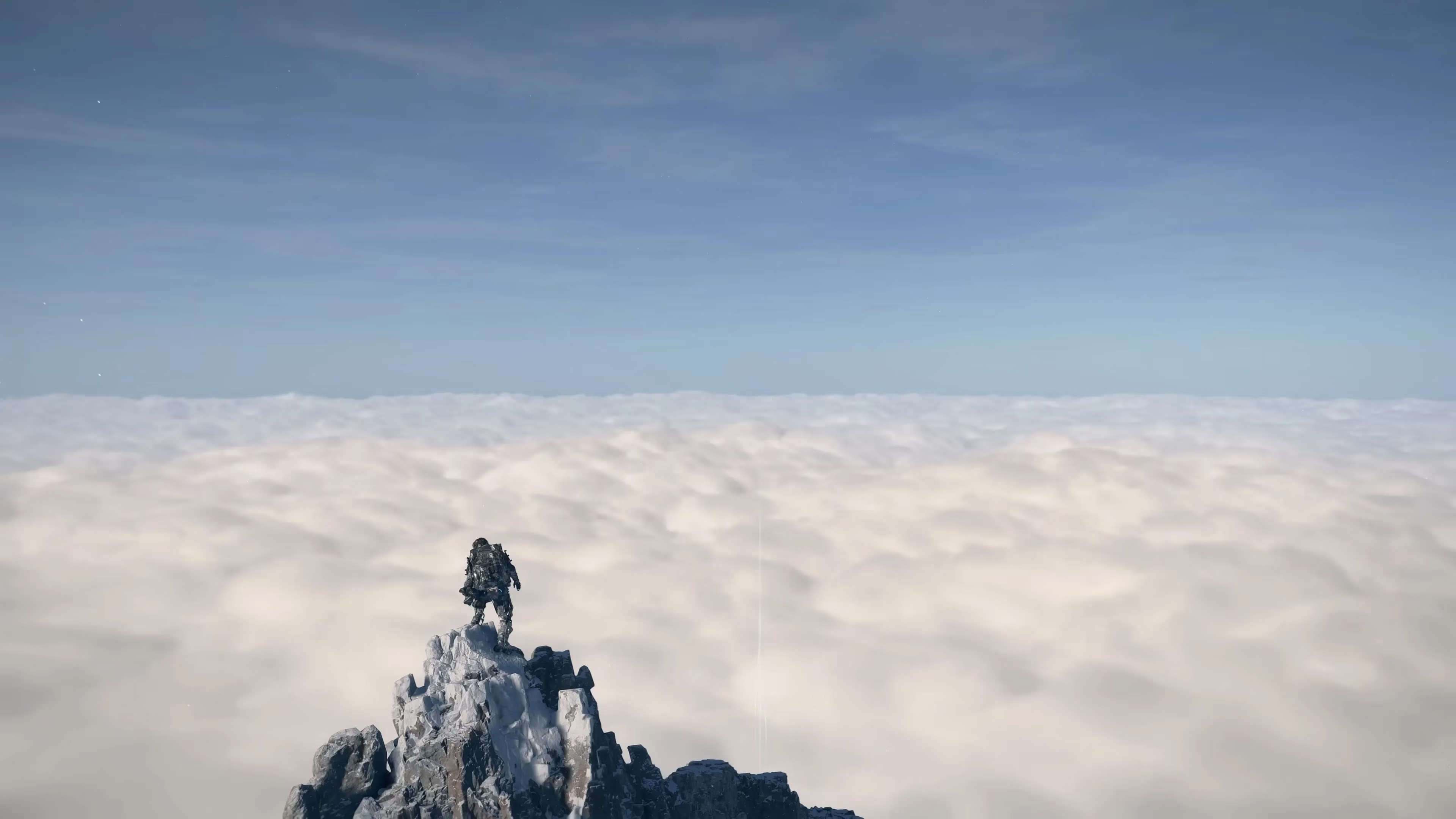 Standing there, as Sam on that snowy peak, I felt the wind bite—a metaphor for the game's barrier of entry. Kojima's creations are wacky by nature, with plots so convoluted, they'd make your head spin. The marketing? A world tour after release? Only he could pull that off. But for newcomers, this might be a tough nut to crack. The first game was a narrative-driven delivery sim with light combat, which wasn't everyone's cup of tea. Now, as a sequel, it builds on that complexity, making it a poor entry point for Kojima novices. Yet, for fans like me, it's a wild ride worth every minute.
Is It Friendlier? A Personal Take
Let's cut to the chase: will Death Stranding 2 win over the masses? Probably not, and that's A-OK by me. Kojima's games have always had a high barrier—complex plots, odd premises, you name it. This sequel, with its unorthodox ideas, might alienate some, but for those who get it, it's pure gold. I mean, the previewers who sunk 30 hours into it came out buzzing, and I reckon fans will too. It's not about dumbing things down; it's about evolving while staying true to the vision. In a gaming world full of copycats, Kojima goes against the grain, and I respect that. But hey, if you're new, maybe start with something simpler—this ain't no walk in the park.
As I reflect on my journey through Death Stranding 2, the rain still pelts my virtual shoulders, and I smile. Kojima's world is a mirror to our own isolation, yet in its controversy and innovation, I find connection. It's a game that doesn't just entertain; it lingers, like a haunting melody. And in 2025, as I stand on this digital beach, I realize—some things are worth the walk, no matter how divisive. 