Death Stranding 2's Summer Release is a Genius Move in 2026
Death Stranding 2: On the Beach, a 2025 blockbuster, defied summer release norms to dominate the gaming landscape with its masterful strategy and enhanced gameplay. This visionary title sidestepped fall competition, offering unparalleled combat, automated deliveries, and profound storytelling.
The gaming landscape of 2026 is a wild, post-apocalyptic wasteland of its own, filled with the ghosts of 2025's blockbuster releases. Yet, one title from that packed year continues to cast a long, spectral shadow: Death Stranding 2: On the Beach. Back in early 2025, when its June release date dropped like a surprise care package, folks were, let's be honest, shook. A major Kojima production choosing the summer? That was like seeing a BT calmly enjoying a beach vacation. But man, looking back from the cozy confines of 2026, that move was nothing short of a masterstroke.
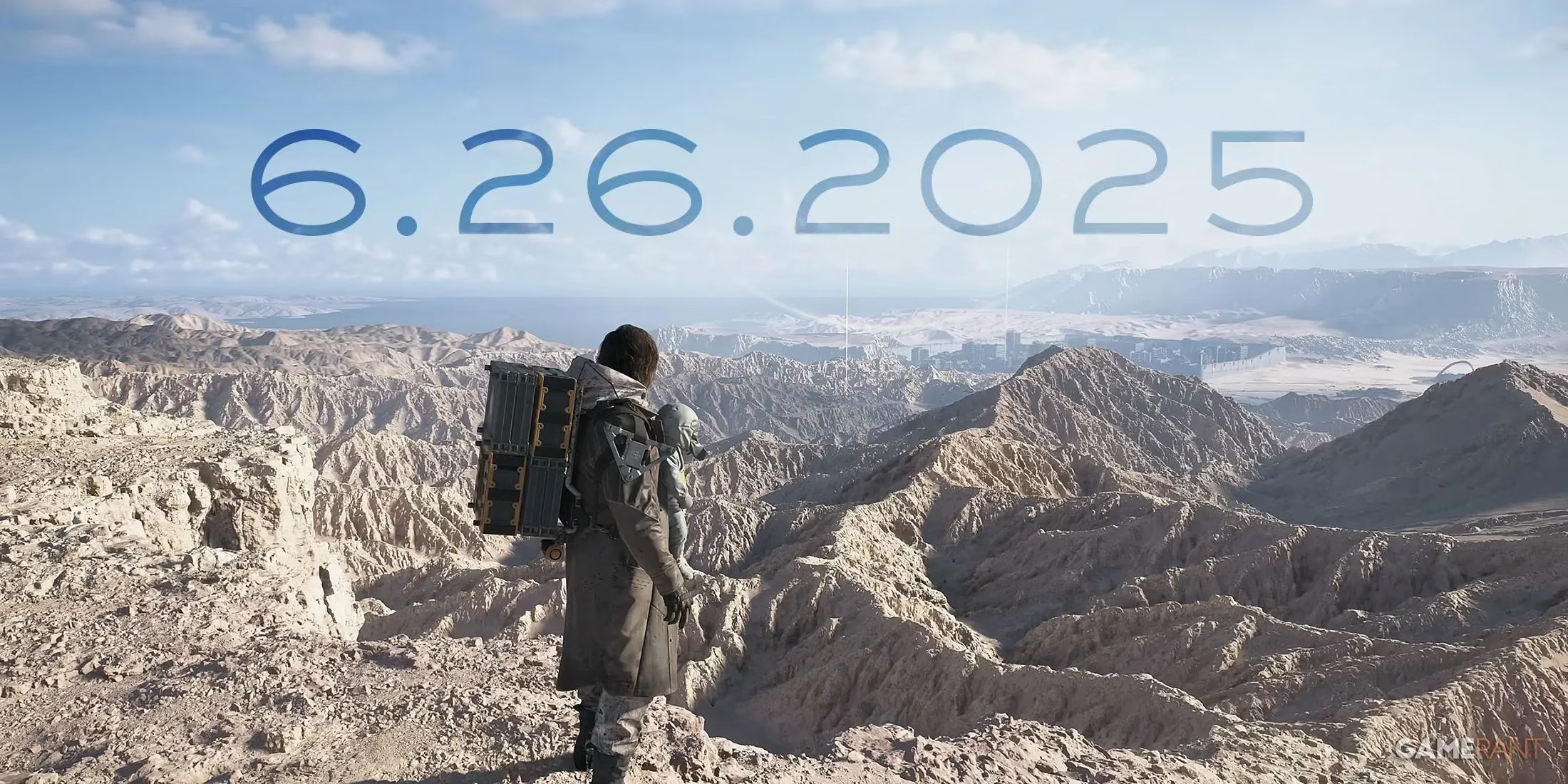
Traditionally, summer was the gaming industry's quiet time. The big, scary monsters like Call of Duty and Assassin's Creed hibernated, waiting to pounce in the fall. Releasing a game then was like trying to make a delivery during a timefall—risky business with low visibility. But Death Stranding 2 said, "Hold my chiralium-infused cryptobiote." By planting its flag on June 26, 2025, it didn't just avoid the holiday season traffic jam; it became the traffic. For weeks, it was the only AAA game in town, a lone porter connecting players in an otherwise barren landscape. Talk about having the whole beach to yourself!
This strategy was pure genius, especially considering the absolute avalanche of games slated for 2025. Let's break down the competition it sidestepped:
| Competitor (2025) | Genre | Typical Release Window |
|---|---|---|
| Assassin's Creed Shadows | Action-Adventure | Fall (Q4) |
| Monster Hunter Wilds | Action RPG | Fall (Q4) |
| Kingdom Come: Deliverance 2 | Action RPG | Likely Fall (Q4) |
| Various Annual Franchises | Shooter/Sports | Fall (Q4) |
By the time Sam Bridges was hitting the beach, these titans were still in their mocap suits. Death Stranding 2 enjoyed a clean, three-to-four month head start to dominate conversations, memes, and, most importantly, players' backlogs. It was the calm before the storm, and Kojima Productions built a gorgeous, weird sandcastle right in the middle of it.
Now, let's talk about the game itself. The sequel knew it had to win over more folks than the first one, which, let's face it, wasn't everyone's cup of cryptobiote tea. The "walking simulator" label was a stubborn BT clinging to its legacy. So, what did DS2 do? It brought the heat. The trailers promised—and the 2026 consensus confirms—a much heavier emphasis on:
-
Combat: More tools, more threats, more reasons to actually use those weapons Sam carries.
-
Automated Deliveries: Because sometimes, you just want to let a little drone-buddy do the legwork. A brilliant quality-of-life tweak.
-
Emotional Storytelling: If the first game was about building connections, this one seemed to be about... well, we won't spoil it for the few who haven't played, but let's just say the beaches got a lot more philosophical.
Releasing in summer gave players the perfect, unhurried environment to sink into this strange world. No frantic holiday rush, no pressure to finish before the next big thing drops. You could truly take your time, make those deliveries, and ponder the meaning of life, death, and umbilical cords at your own pace. It was the ultimate chill gaming session, despite the occasional giant whale BT.
From the 2026 vantage point, Death Stranding 2's summer 2025 release stands as a landmark moment. It proved that a brave, unconventional game could pick an unconventional window and own it completely. It wasn't just a release; it was an event that defined an entire season. Other developers have taken note, and the summer of 2026 is looking surprisingly crowded. But they'll all be walking on the path that Sam Bridges and his funky fetus companion paved. Not bad for a bunch of porters, huh?