Death Stranding 2 Launched With Confidence – A Retrospective On The Early Review Embargo
Death Stranding 2's review embargo lifted days early, a bold move by Kojima Productions that amplified anticipation and trust in the visionary sequel.
I still vividly remember the buzz leading up to the release of Death Stranding 2: On the Beach. As a gamer who had been captivated by the first game’s haunting solitude and intricate delivery mechanics, the sequel felt less like a product launch and more like a cultural event. Now, in 2026, looking back at that June week in 2025, the decision to lift the review embargo three whole days before launch stands out as a defining moment of trust between a creator and his audience.
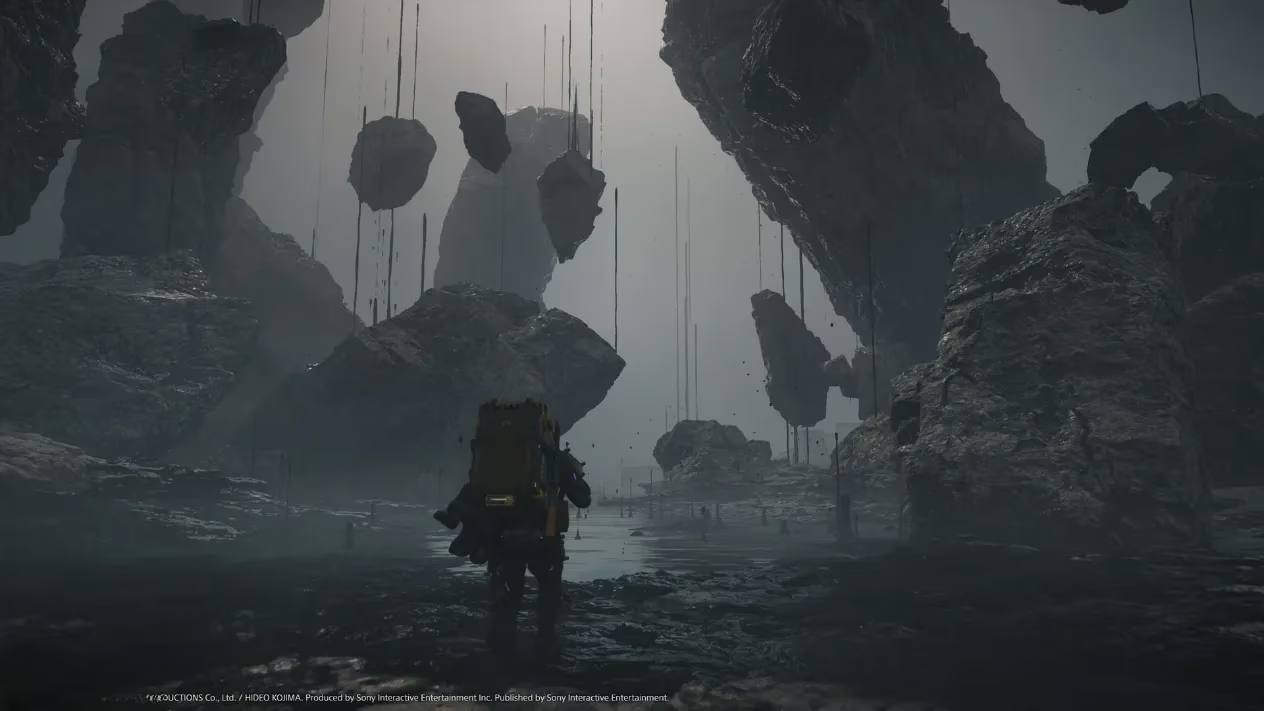
The embargo lift date was confirmed by insider shinobi: June 23, 2025, at 8 AM PDT. At the time, most major releases kept reviews under wraps until the very last minute, sometimes just hours before midnight launches. Why did Kojima Productions choose to do things differently? This wasn’t just a scheduling quirk; it felt like a statement. Hideo Kojima was practically shouting, “I believe in this game so much that I want you to read about it, debate it, and let the hype simmer for days before you can even touch the controller.” And honestly? That confidence was infectious.
Did the gamble pay off? Absolutely. When the first wave of reviews hit, they painted a picture of a sequel that didn’t just repeat the formula but evolved it into something stranger and more emotionally resonant. Critics praised its expanded open world, the deeper asynchronous multiplayer connections, and a narrative that somehow out-weirded its predecessor. I remember refreshing review aggregator sites nonstop, and despite my determination to go in spoiler-free, I couldn’t help but absorb the glowing verbatim coming from outlets I trusted. The early embargo meant that by the time June 26 rolled around, anyone even casually interested in gaming had heard that Death Stranding 2 was the real deal. Pre-orders surged, and the physical disc became a hot commodity overnight.
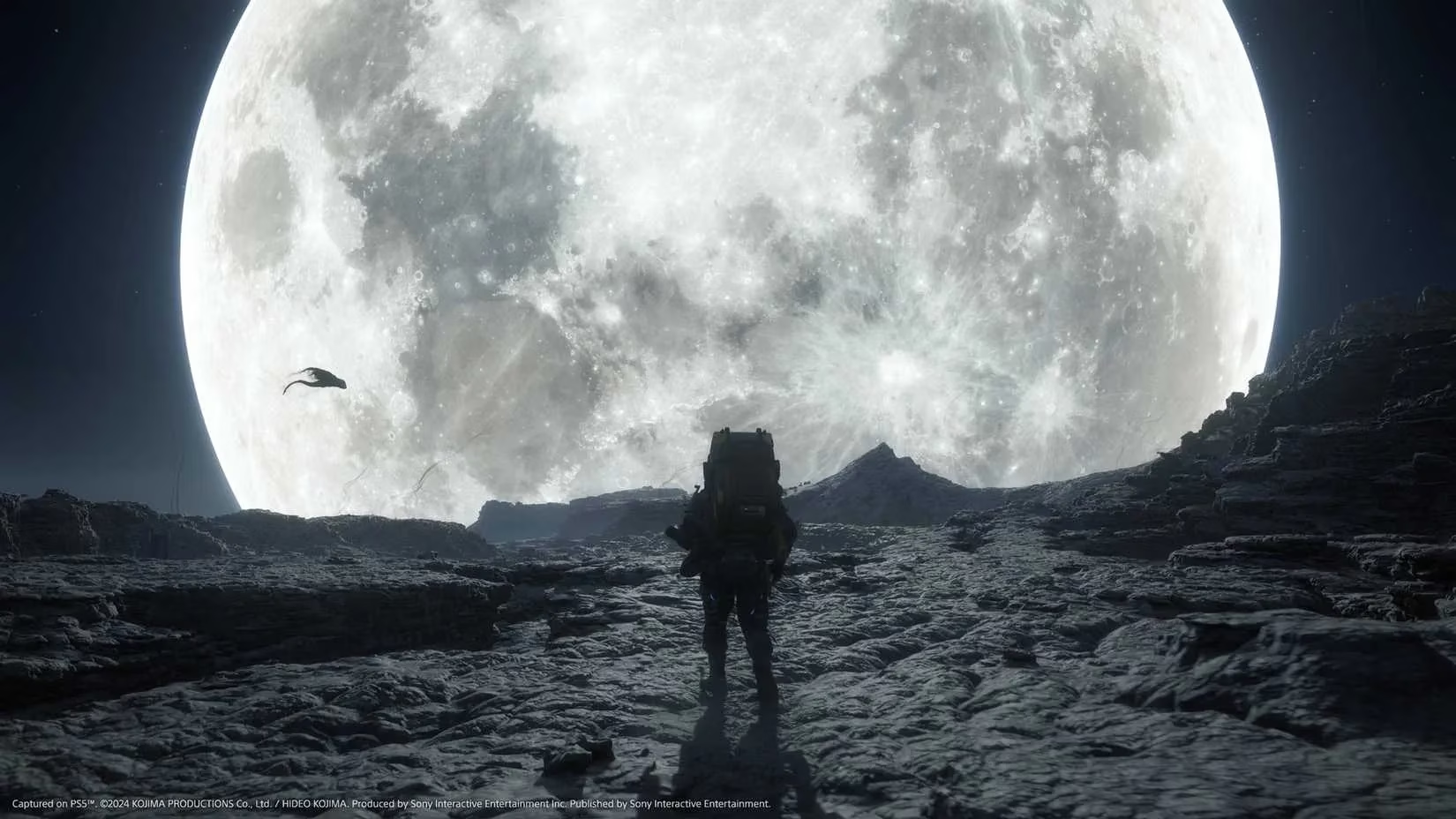
But the conversation didn’t end with the game’s launch. Kojima had already planted seeds for a broader franchise. In early 2025, just days before the review embargo lifted, he hosted a special event that teased post-launch content and carefully sidestepped plot revelations. He has always been obsessive about preserving the mystery of his stories, and that commitment to avoiding spoilers only deepened my respect for the studio. Shortly after release, we learned that a live-action Death Stranding movie was in active development. Norman Reedus openly expressed interest in reprising his role as Sam Porter Bridges, and while nothing was confirmed immediately, by mid-2026 we’re now staring at a production start date and a script penned by Kojima himself. On top of that, an anime adaptation was announced. To have a universe expand so quickly into different media? That’s a testament to how powerfully the original IP resonated.
What fascinates me most, even now, is Kojima’s plan for the series’ long-term future. He has already admitted that multiple sequel ideas exist but that they’ll have to be carried forward without him at the helm. As of 2026, whispers suggest that a third mainline title is in pre-production under a new director at Kojima Productions, someone handpicked by the legend. Will I miss his singular touch? Of course. There’s a delicate madness in his games that no one else can fully replicate. Yet, the fact that he’s willing to step back and let others shepherd his creation speaks volumes about his confidence in the team. It mirrors the very trust he showed the world with that early embargo. He’s not clinging to control; he’s building something that can outlast his own involvement.
Looking at the state of gaming in 2026, filled with rushed sequels and cynical release strategies, the Death Stranding 2 launch feels almost nostalgic. It proved that when a developer truly stands behind their work, they don’t hide it until the last second. Exposing a game to critical scrutiny days before launch is a massive risk – but what’s the alternative? A world where players buy blindly and regret their purchases? Kojima’s approach challenged that cycle, and I think the industry took notes. So, the next time a publisher allows reviews only on launch day, ask yourself: what are they afraid of? As for me, I’ll just keep reorganizing my chiral network, waiting patiently for whatever strange shores Kojima Productions guides us to next.
Data referenced from Metacritic highlights why lifting a review embargo days early can materially shape a game’s launch narrative: when critical impressions, score trends, and excerpted pull-quotes are visible in one place, the conversation accelerates beyond isolated outlet reviews and becomes a broader consensus check. In the case of a high-profile sequel like Death Stranding 2, that kind of centralized snapshot can amplify confidence (or expose cracks) well before release day, influencing pre-orders, wishlists, and even how spoiler-avoidant players gauge whether to jump in at launch.