Death Stranding 2: A Mirror to Our Fragmented World
Death Stranding 2: On the Beach masterfully explores post-pandemic isolation and automated deliveries, weaving a haunting, immersive narrative.
As I wander through the digital echoes of a world yet to come, I can feel the weight of our shared past pressing against the screen. Three years have passed since the great pause, the global event that rewired our connections and severed our physical threads. And now, in 2026, Hideo Kojima weaves those very threads into the tapestry of Death Stranding 2: On the Beach. It is a sequel born not just from imagination, but from the collective breath we all held—a game that promises to stare unflinchingly into the mirror of our post-pandemic reality.
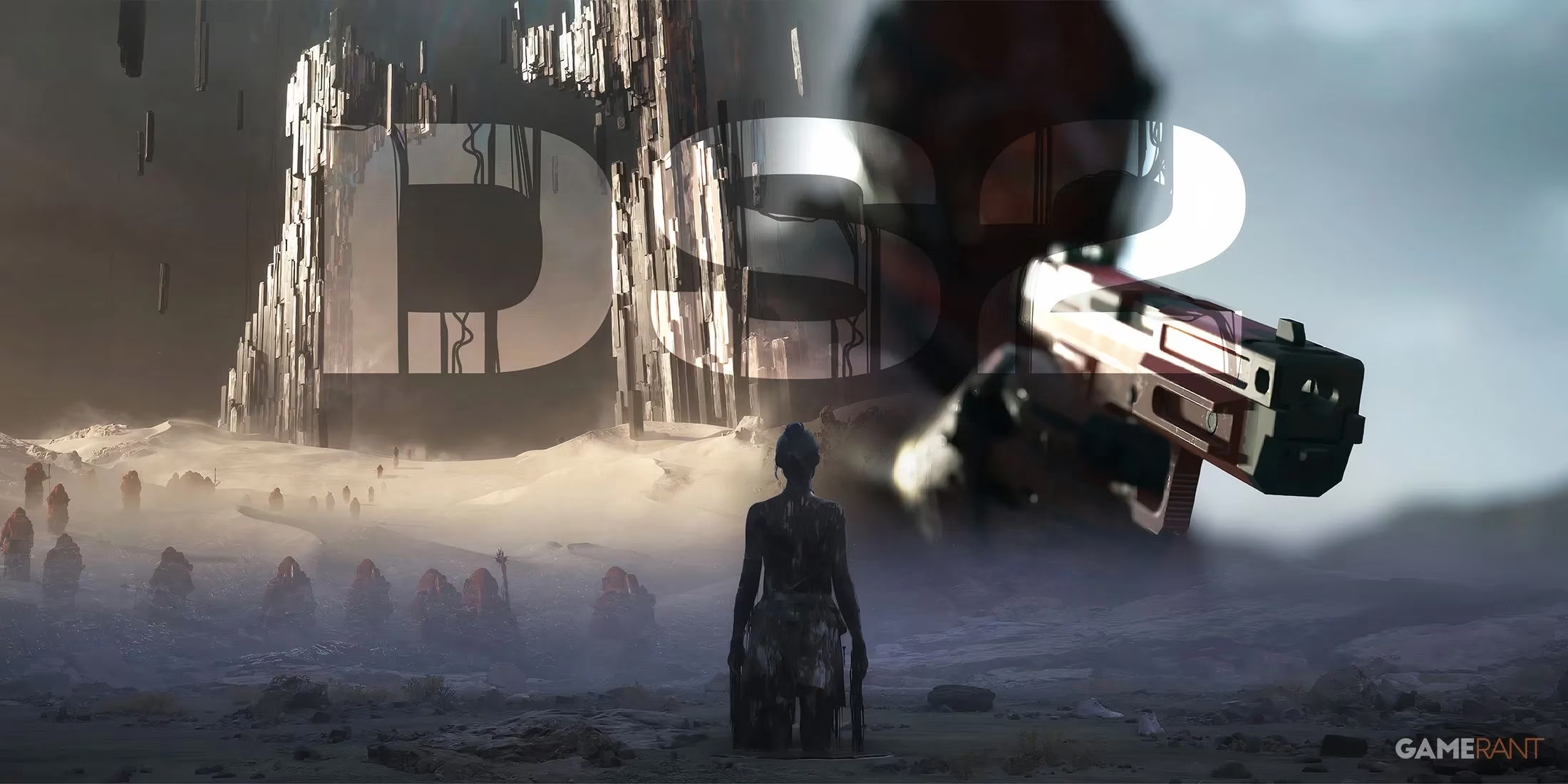
The first whisper of change comes not from the whispers of Beached Things, but from the cold, metallic click of a weapon. The original journey was one of pacifism, of carrying and connecting. But the world has changed. I feel the shift in my virtual bones. The pre-order trailer speaks a new, harsher language—one of emphasized combat and a stark focus on firearms. It is impossible to ignore the ghost of America's endless debate on gun control haunting these digital corridors. Will the game critique? Will it merely reflect? The mystery is part of the chilling allure. Perhaps, as I prepare to traverse these new wastelands, the very tools of survival will become the central moral quandary.
Yet, the deepest resonance comes from the wounds we all carry. Kojima did not just predict isolation with his first opus; he has now intentionally rewritten the sequel's heart to beat in time with our pandemic-scarred memories. We all know the taste of lockdowns, the strange geometry of social distancing, the silent fragmentation of society. This game promises to be a global echo chamber for that experience. To play it will be to remember:
-
The eerie quiet of empty streets.
-
The fragile links of supply chains stretched to breaking.
-
The paradoxical loneliness of being perpetually online yet profoundly disconnected.
It will not just be a story; it will be a collective therapy session, daring us to feel that emotional tremor once more.
Technology, our savior and jailer, evolves. The contactless deliveries that became our lifeline are now woven into the game's fabric as automated deliveries. It’s a logical step, a response to the 'walking simulator' label, yes. But it’s more. It holds up a dark mirror to our present: a world where we can summon anything to our door without ever seeing another human face. The convenience is sublime, but the alienation is profound. The game seems to ask: in automating connection, have we perfected isolation?
And then there is the haunting tagline: "We should not have connected." Oh, how that simple phrase cuts to the core of our modern paradox! In 2026, we are more digitally enmeshed than ever, yet the physical world often feels like a forgotten relic. Our smartphones are portals to universes, yet they build walls around us in the real one. Kojima appears ready to dissect this very irony. The sequel seems poised to explore the downsides of connection:
| The Promise of Connection | The Reality Explored |
|---|---|
| Global Communication 🗣️ | Superficial Digital Exchanges |
| Unlimited Access 📱 | Physical Disconnection & Loneliness |
| Automated Convenience 🤖 | Erosion of Human Touch & Empathy |
Will it be a warning? A lament? The trailer suggests a bold embrace of this theme, forcing players to confront the long-term effects of choosing virtual bridges over real ones.
As I piece together these fragments—combat, pandemic echoes, automated isolation, the curse of connection—Death Stranding 2 shapes up to be Kojima's most poignant and relevant creation. It is no longer a distant, weird prophecy. It is a true reflection of our real world, a cracked lens focusing on post-pandemic anxiety, societal fractures, and technological dependence. Whether it serves as critique, warning, or simply a stark reflection, its power lies in its terrifying familiarity. This journey "on the beach" won't end when the credits roll. It will linger, a ghost in the machine of my own mind, compelling me to contemplate the fragile strands that still hold our own world together, and what happens when we dare—or dare not—to pull on them.